




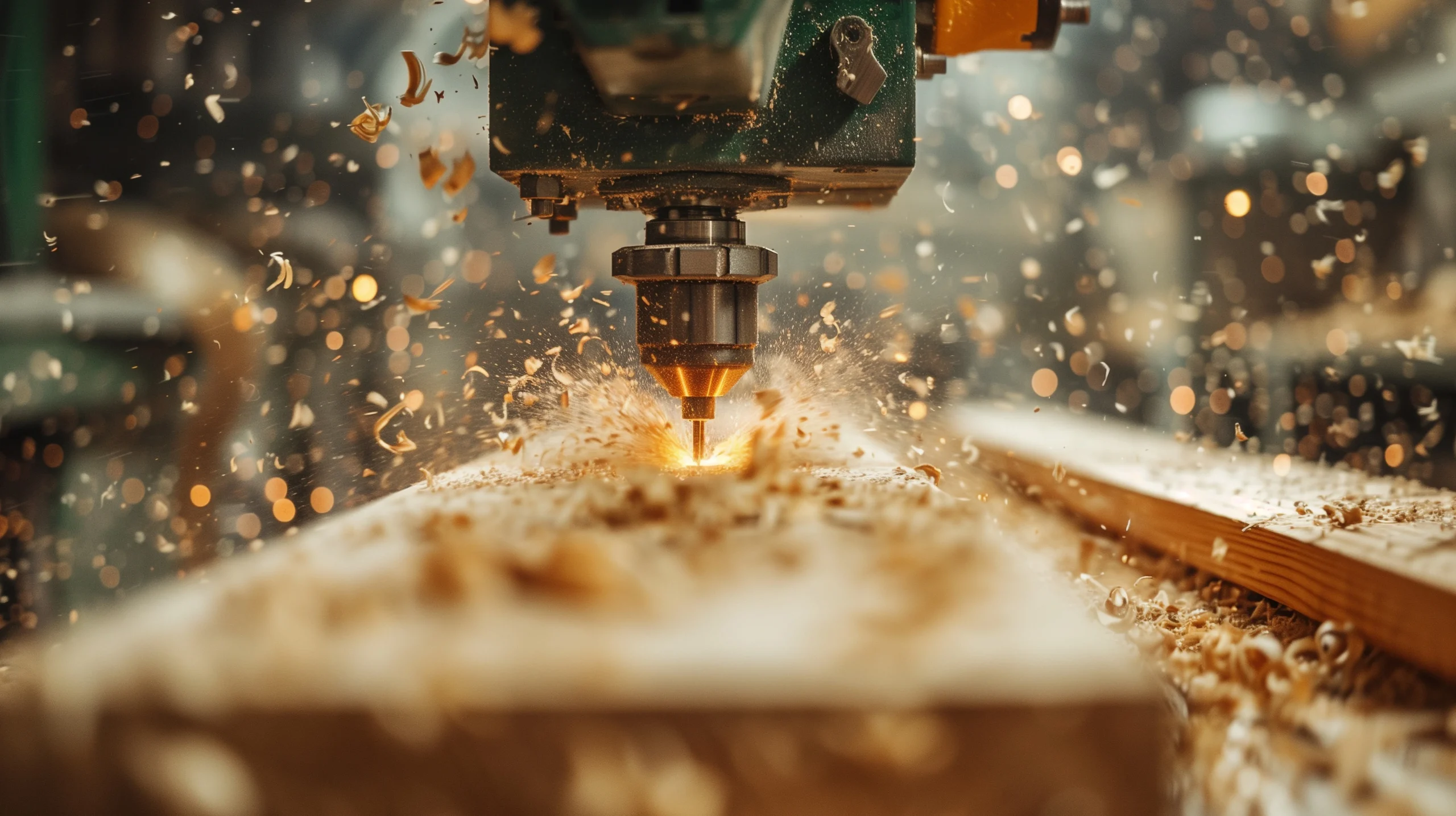
Fine wood dust, chips and fibrous particles generated during cutting, sanding and machining processes require efficient extraction from the working environment.

Paper and cardboard dust, fibers and lightweight particles generated during cutting, trimming and production processes require effective dust extraction.
Raw material preparation, crushing, grinding and processing can generate fine and abrasive mineral dust. Effective dust control contributes to a cleaner and safer working environment.
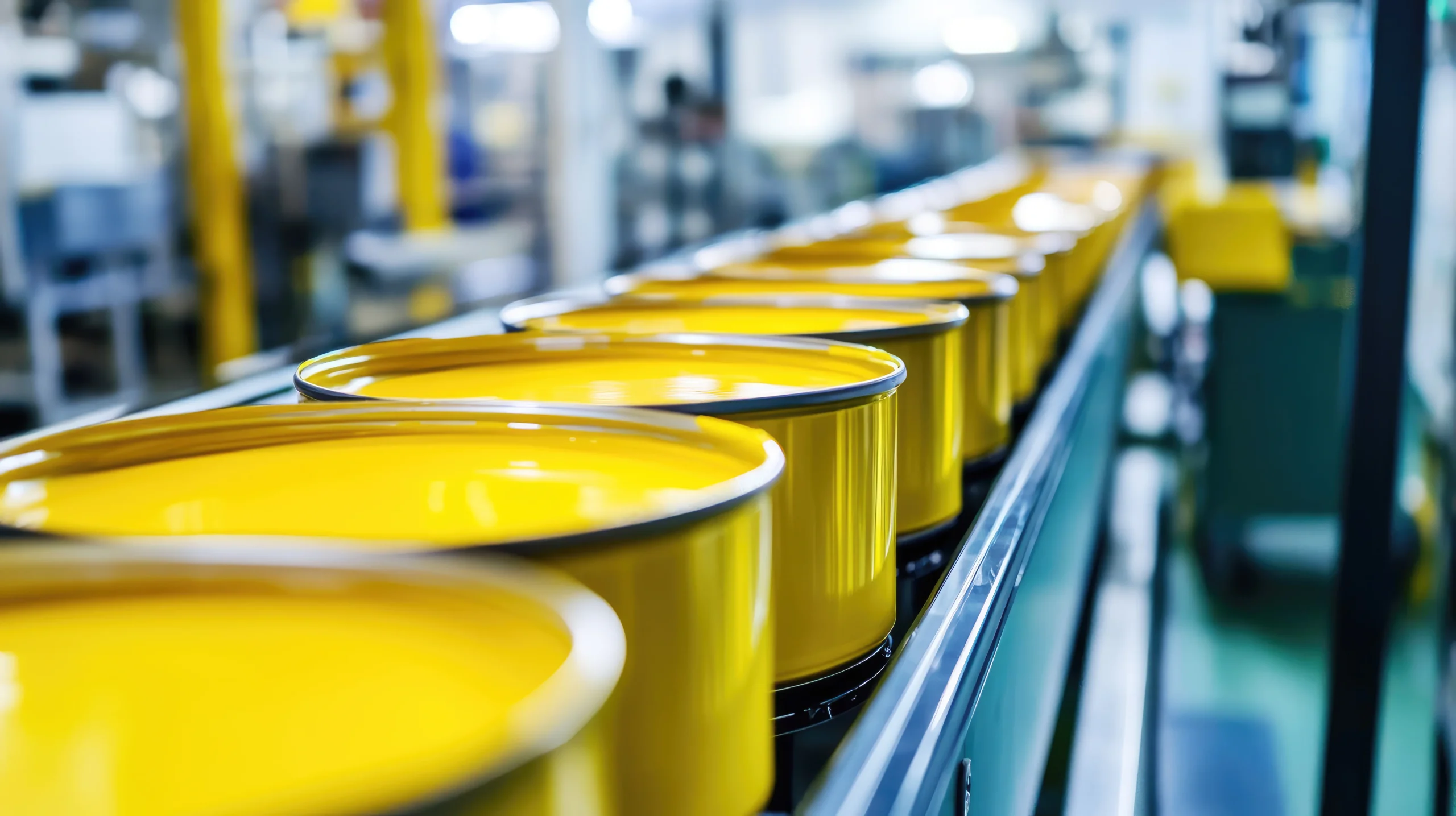
Fine airborne particles generated during pigment, powder coating and raw material processing require controlled and efficient dust collection.

Crushing, grinding, conveying and filling processes generate significant amounts of fine and abrasive mineral dust. Effective dust collection plays an important role in protecting both the process and working environment.

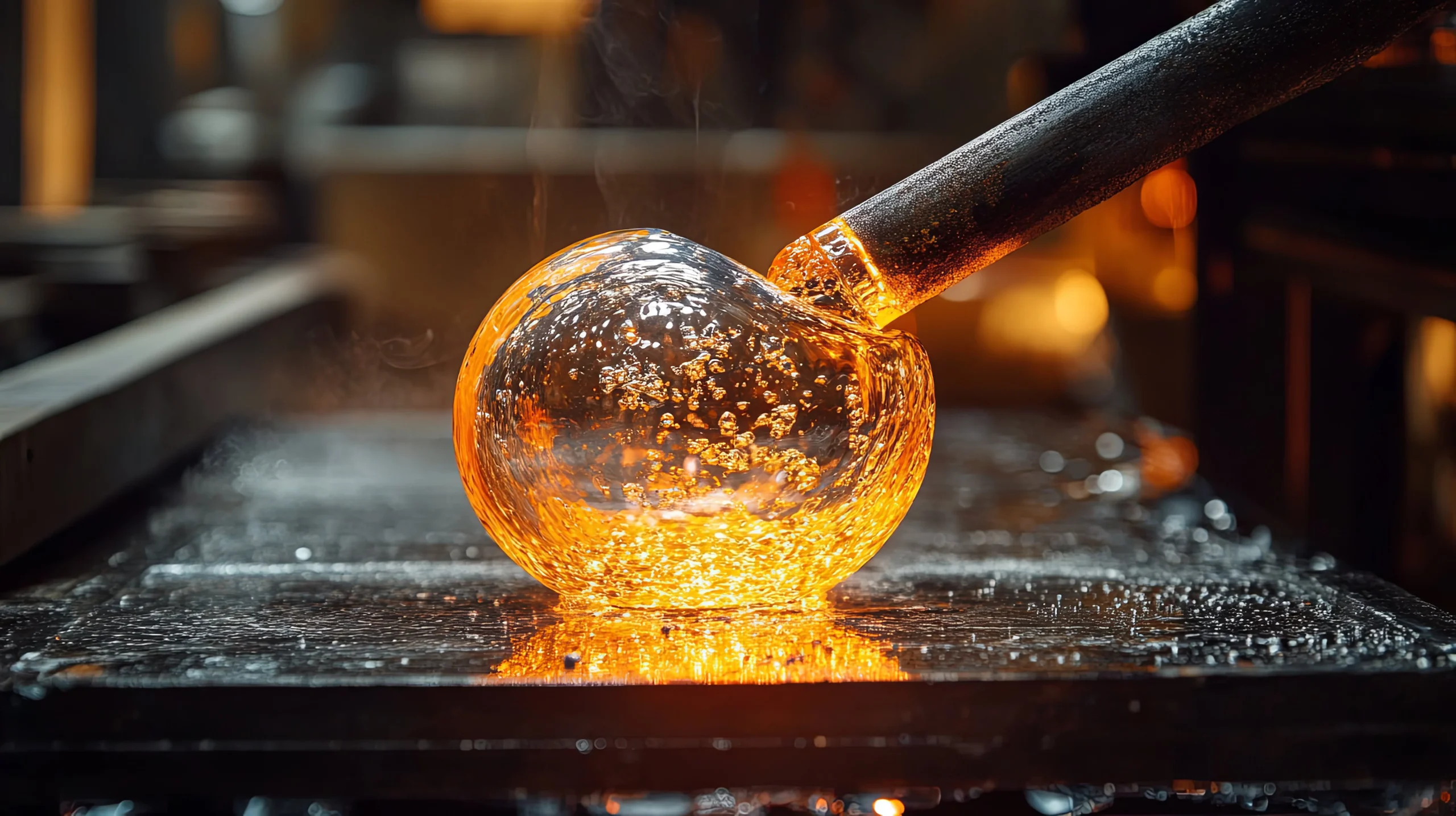
Melting, casting, cutting and surface treatment processes generate dust, fumes and high-temperature contaminated air that require effective capture and extraction.

Cutting, sanding and surface treatment processes can generate leather dust, fibers and lightweight particles that require effective extraction at the source.
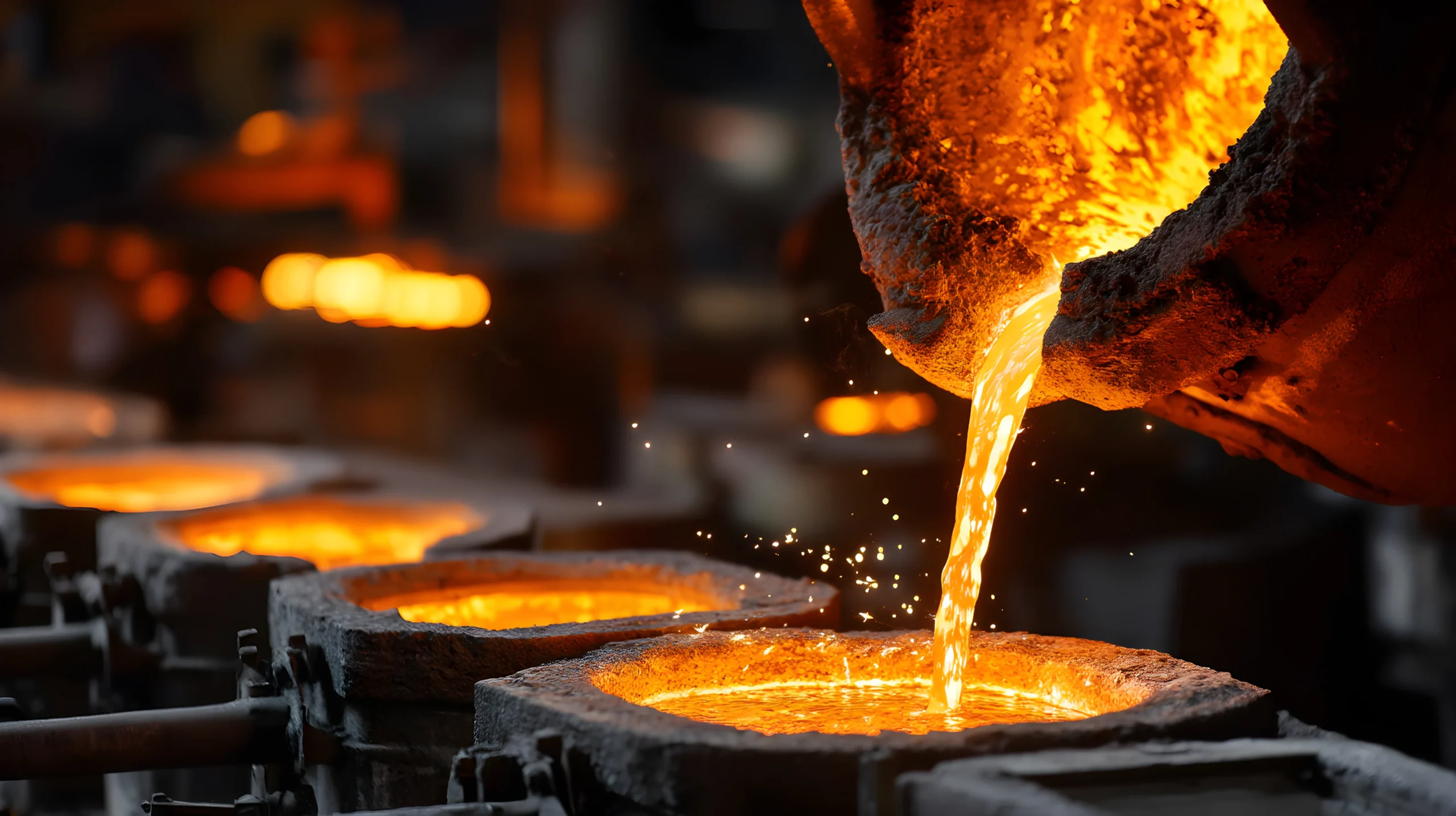
Melting, casting, sand preparation and surface cleaning processes can generate significant dust, fumes and high temperature contaminated air, requiring effective extraction and filtration.

Crushing, cutting, grinding and material preparation can generate significant mineral dust and fine particles. Effective dust control helps reduce dust levels in the working environment.

Fuel preparation, conveying and power generation processes can generate dust, ash and various types of particulates, requiring dust collection and ventilation solutions suited to process conditions.
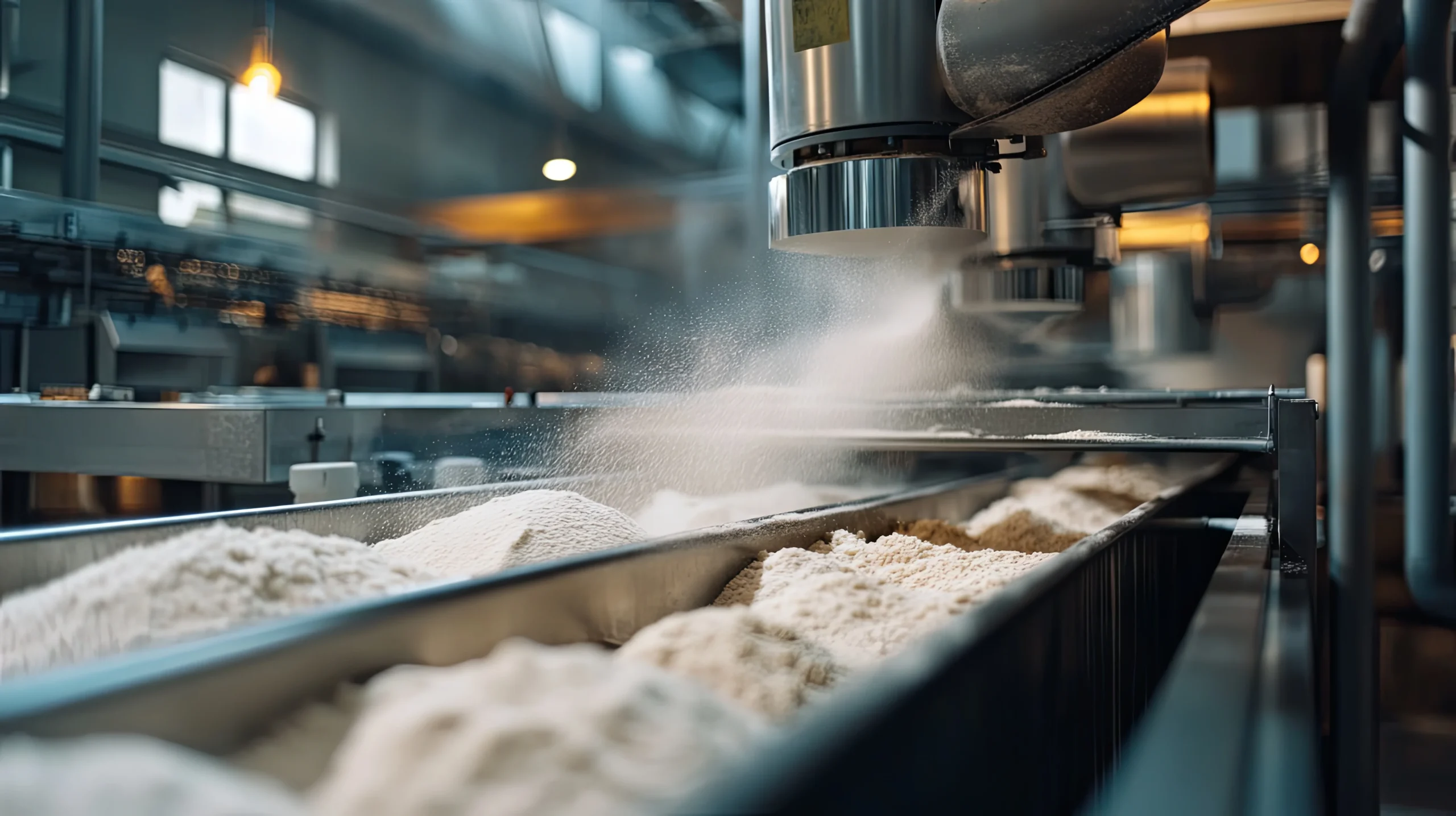
Grinding, sieving, mixing and conveying processes can generate fine organic dust such as flour, sugar and starch. Hygienic and controlled dust collection is essential for the production environment.
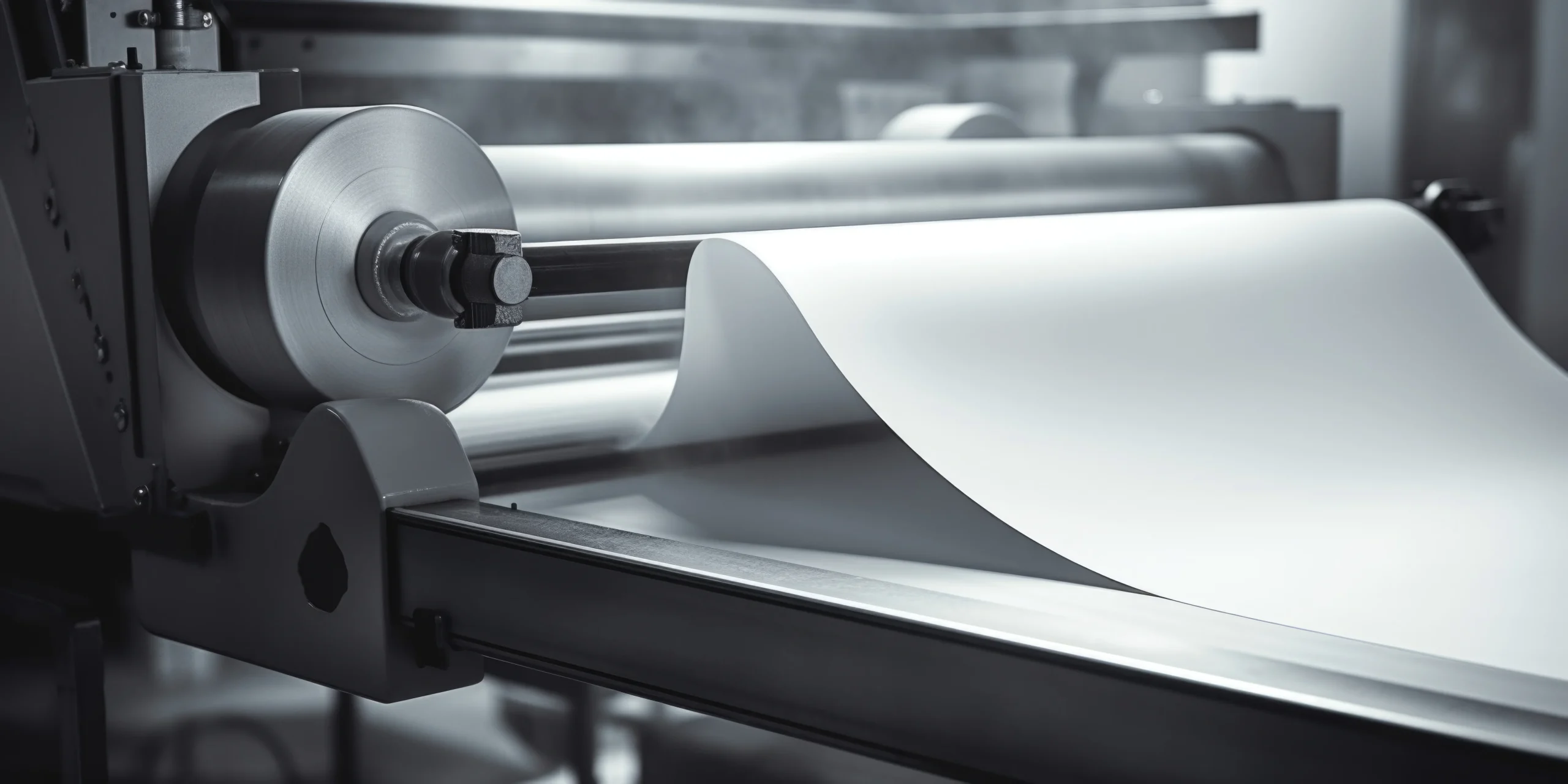
Cutting, trimming and production lines generate paper dust, cellulose fibers and lightweight particles. Effective extraction and removal support clean and continuous production.
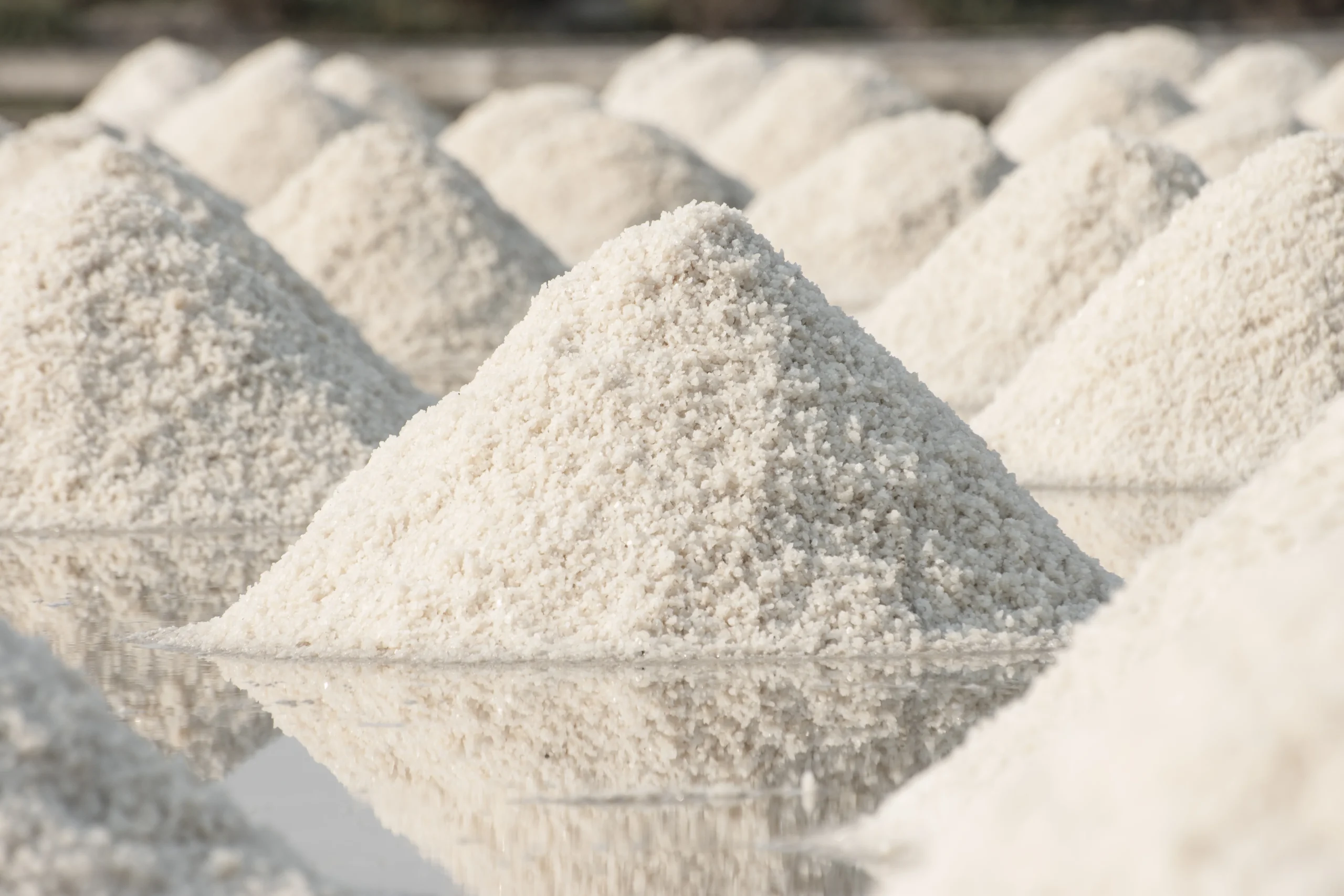
Crushing, grinding, screening, conveying and filling processes generate significant amounts of fine and abrasive lime dust. Effective dust collection helps protect process equipment and the working environment.
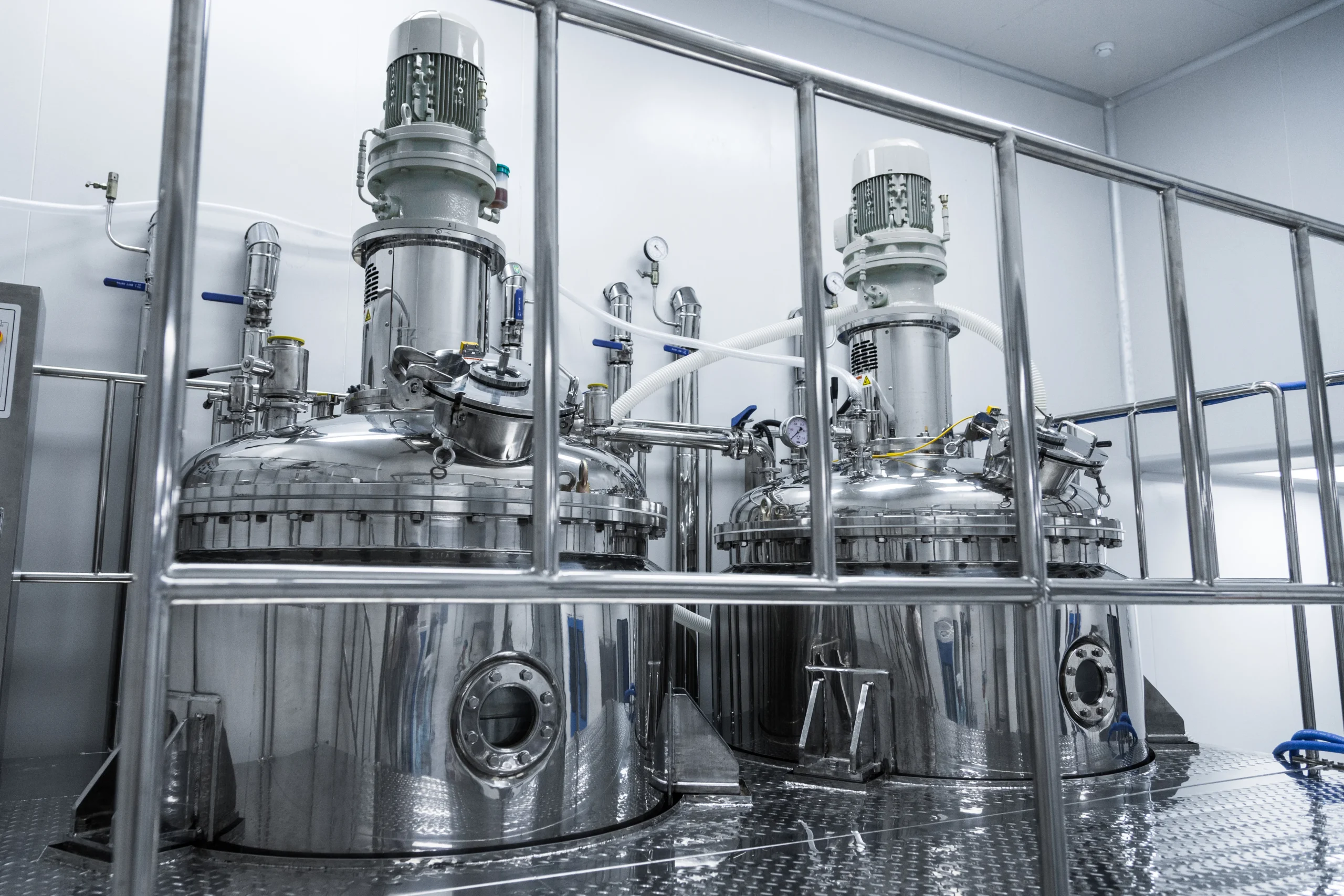
Mixing, dosing, conveying and filling of powdered raw materials can release fine particles with varying characteristics. Dust collection systems should be designed according to material and process requirements.

Crushing, grinding, screening and conveying processes can generate large amounts of fine, dense and abrasive mineral dust. Particle size and abrasiveness are key considerations in system design.

Ventilation, dust collection and pneumatic conveying systems can be engineered and integrated according to the specific requirements of different industrial processes.
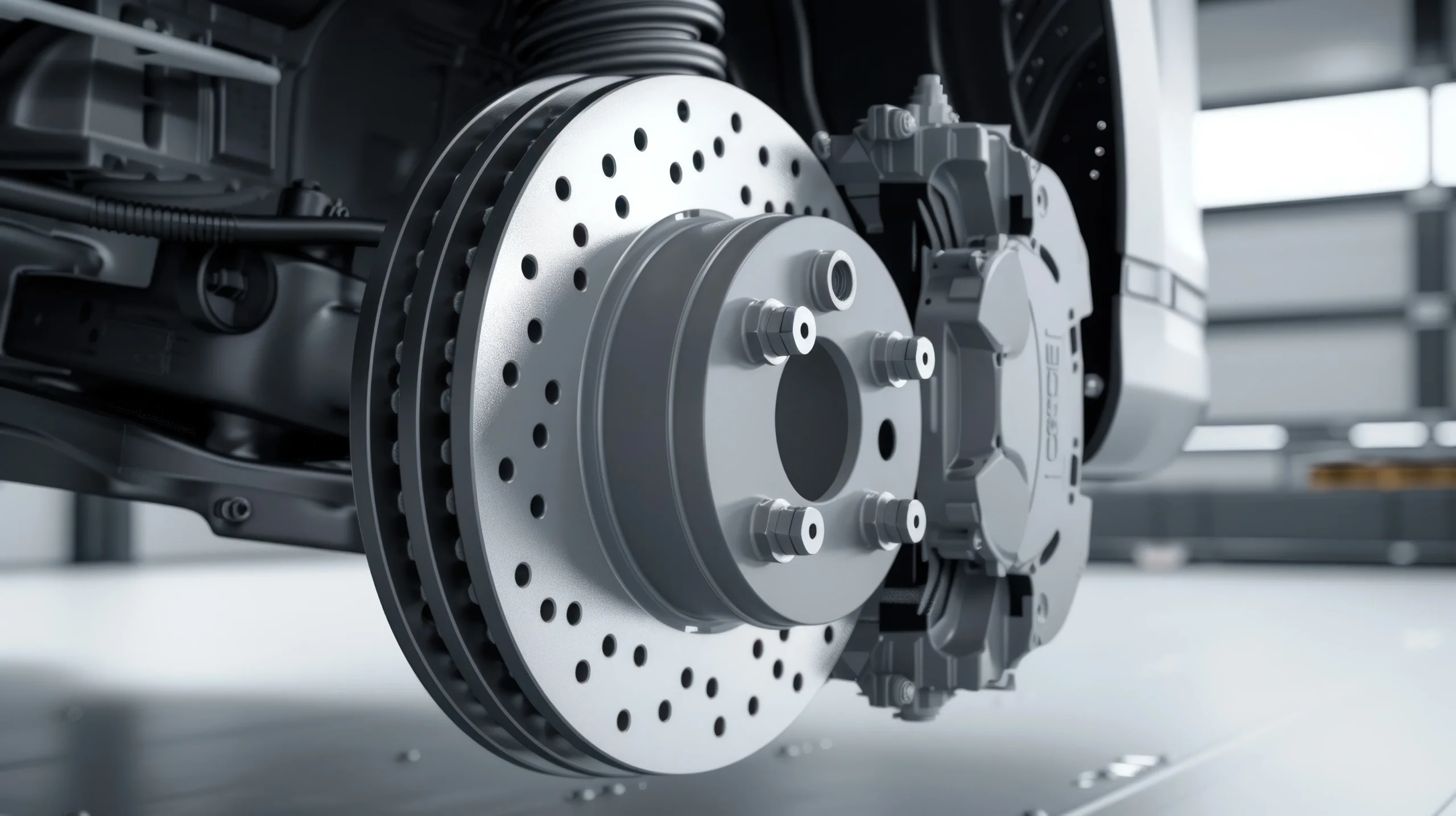
Welding, grinding, painting, surface treatment and machining processes can generate fumes, metal dust and oil mist. Effective extraction and filtration support a cleaner production environment.
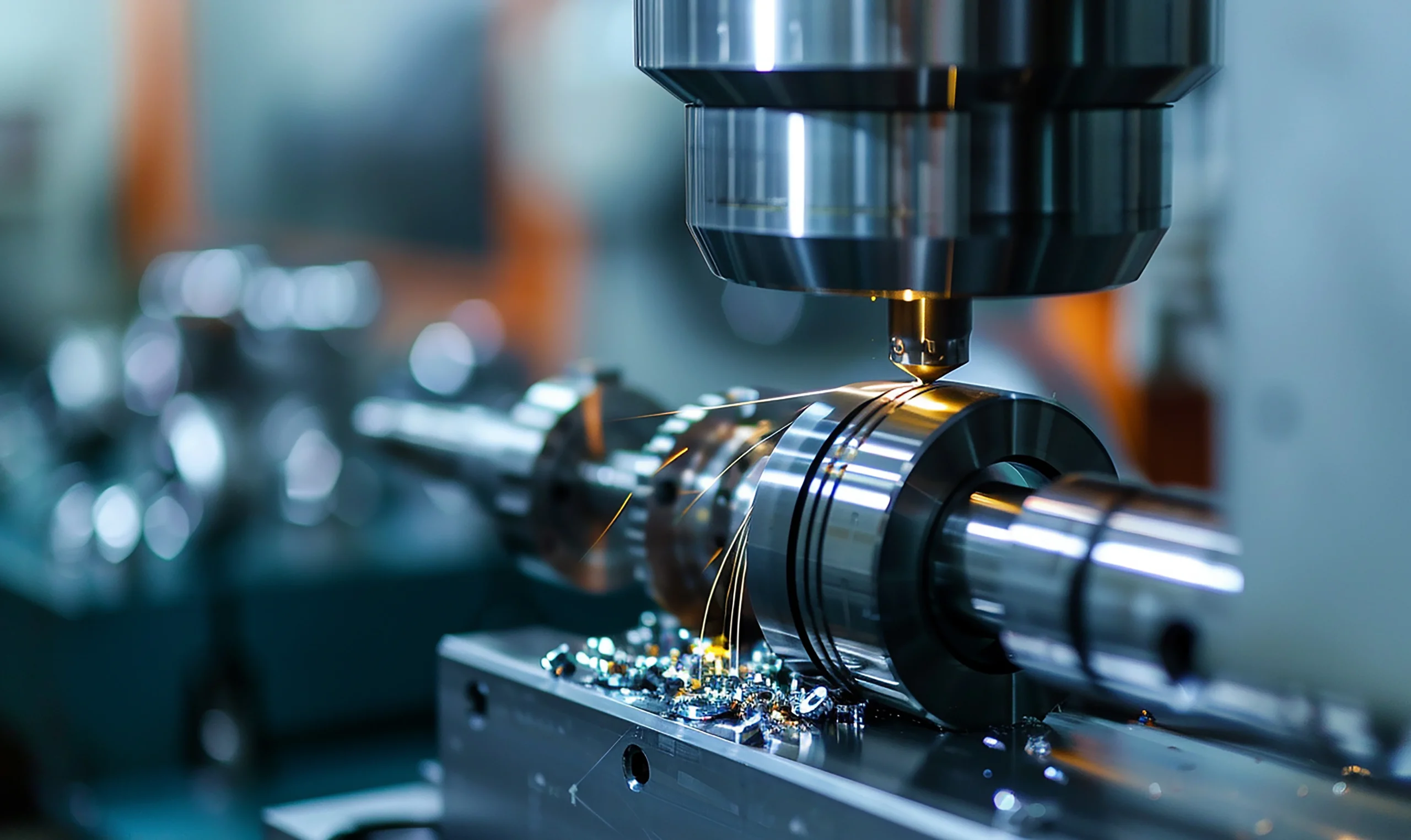
Cutting, grinding, welding and machining processes can generate metal dust, fumes, chips and oil mist, requiring extraction and filtration suited to the type of contaminant.
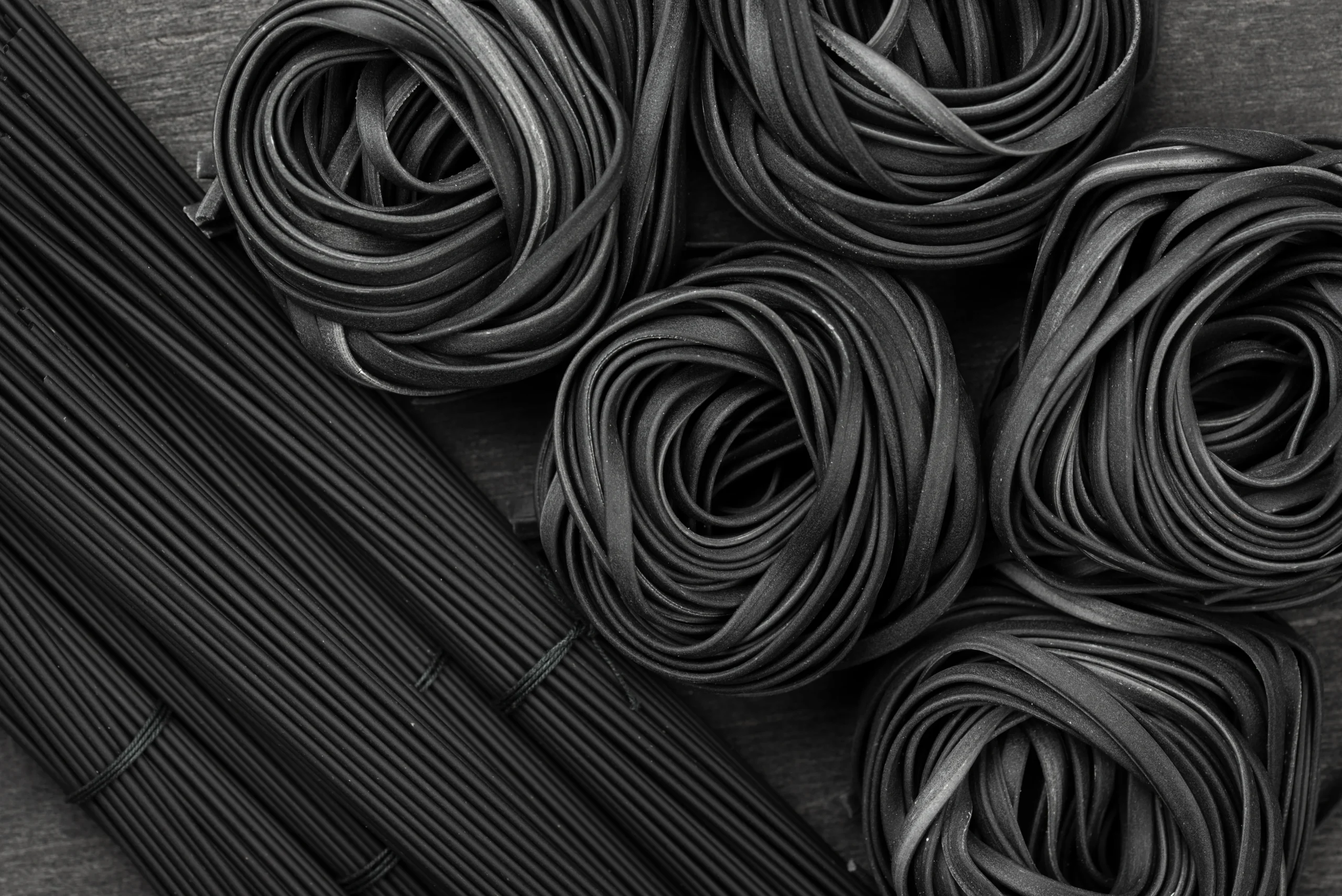
Cutting, grinding, mixing and raw material processing can generate plastic and rubber dust, granules and fine particles, requiring extraction and filtration suited to process conditions.
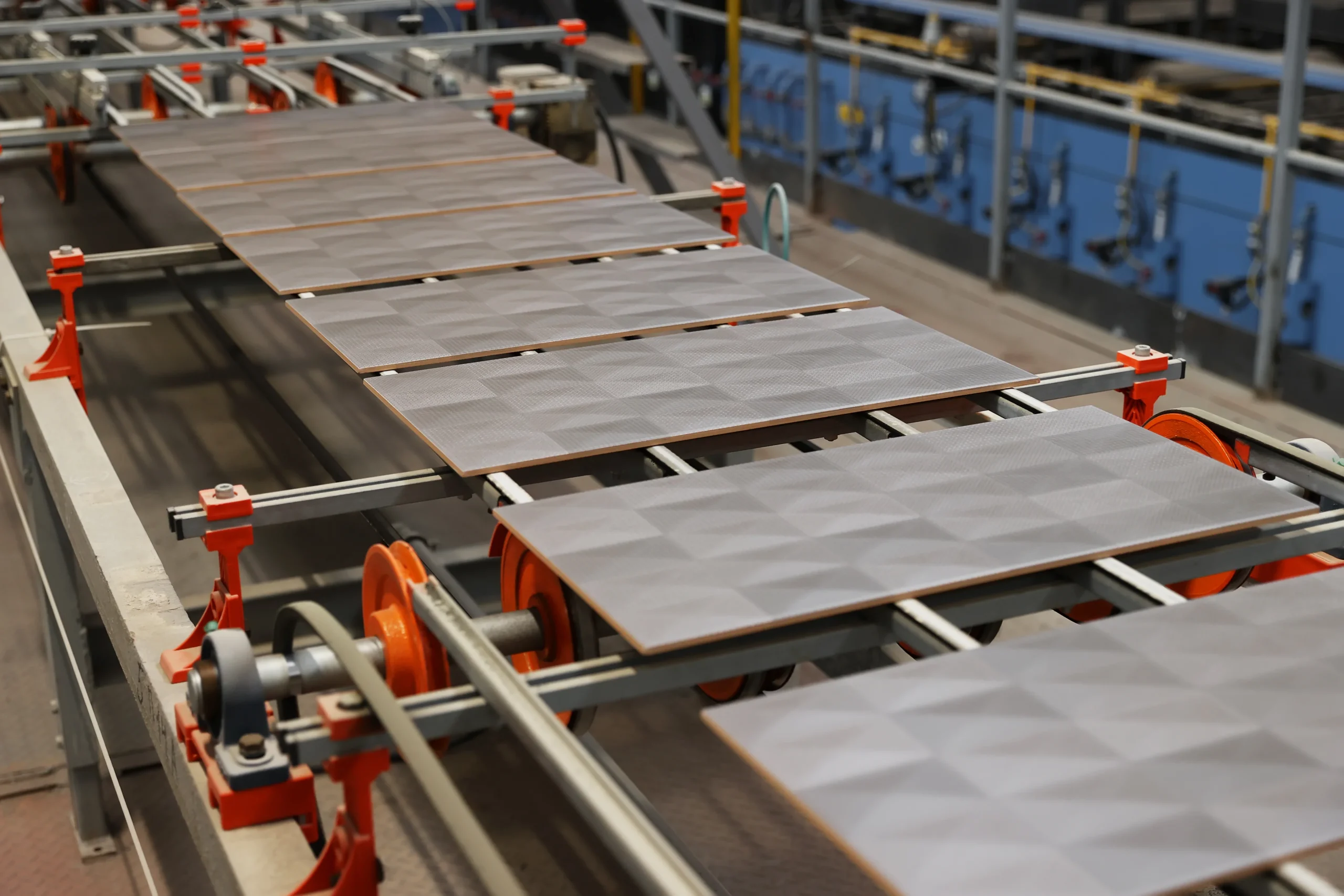
Raw material preparation, grinding, pressing and surface treatment generate significant amounts of fine mineral dust. Effective dust collection helps control dust levels throughout the production area.
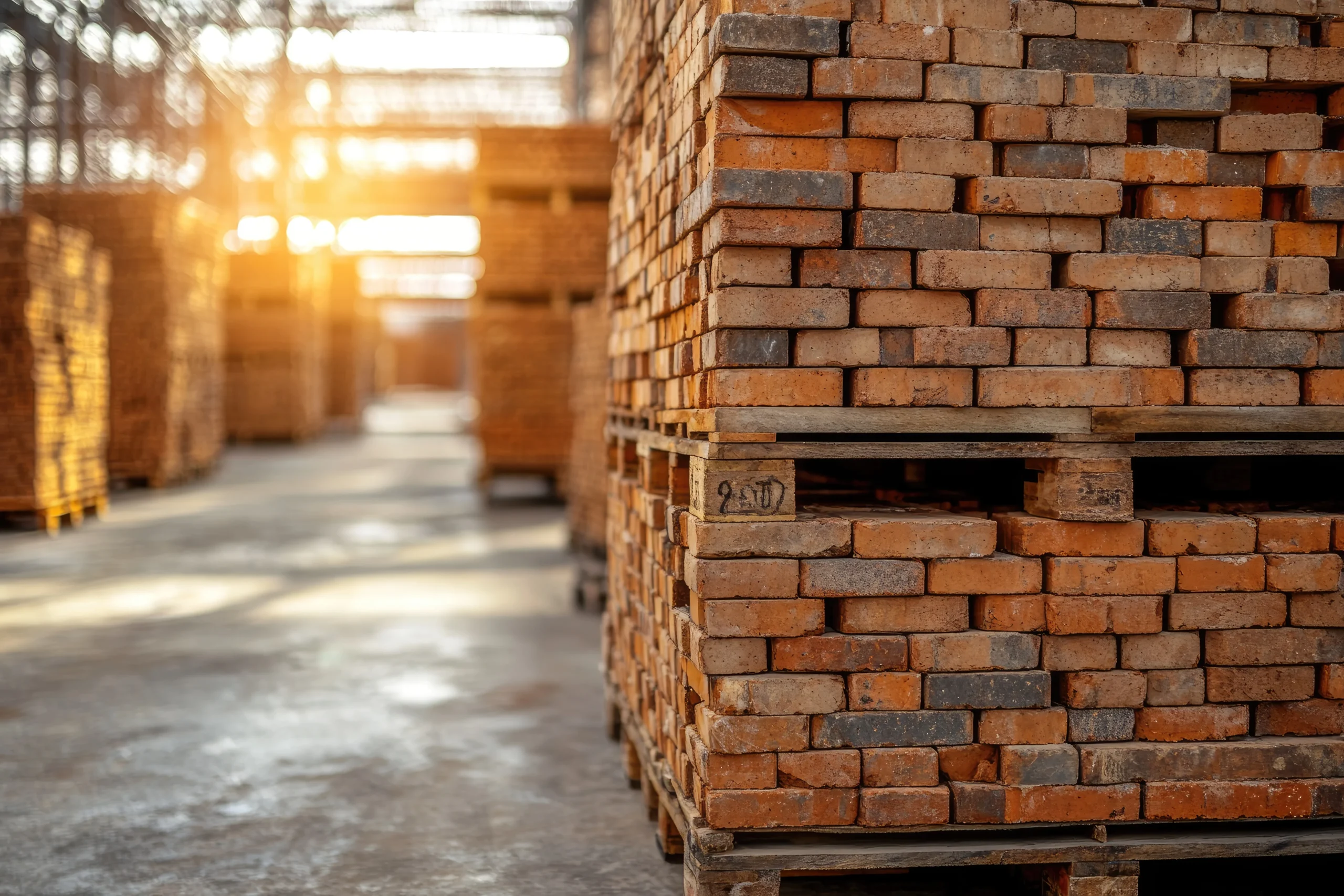
Raw material preparation, crushing, grinding and conveying can generate mineral and clay-based dust. Effective dust collection helps protect the production environment and equipment.
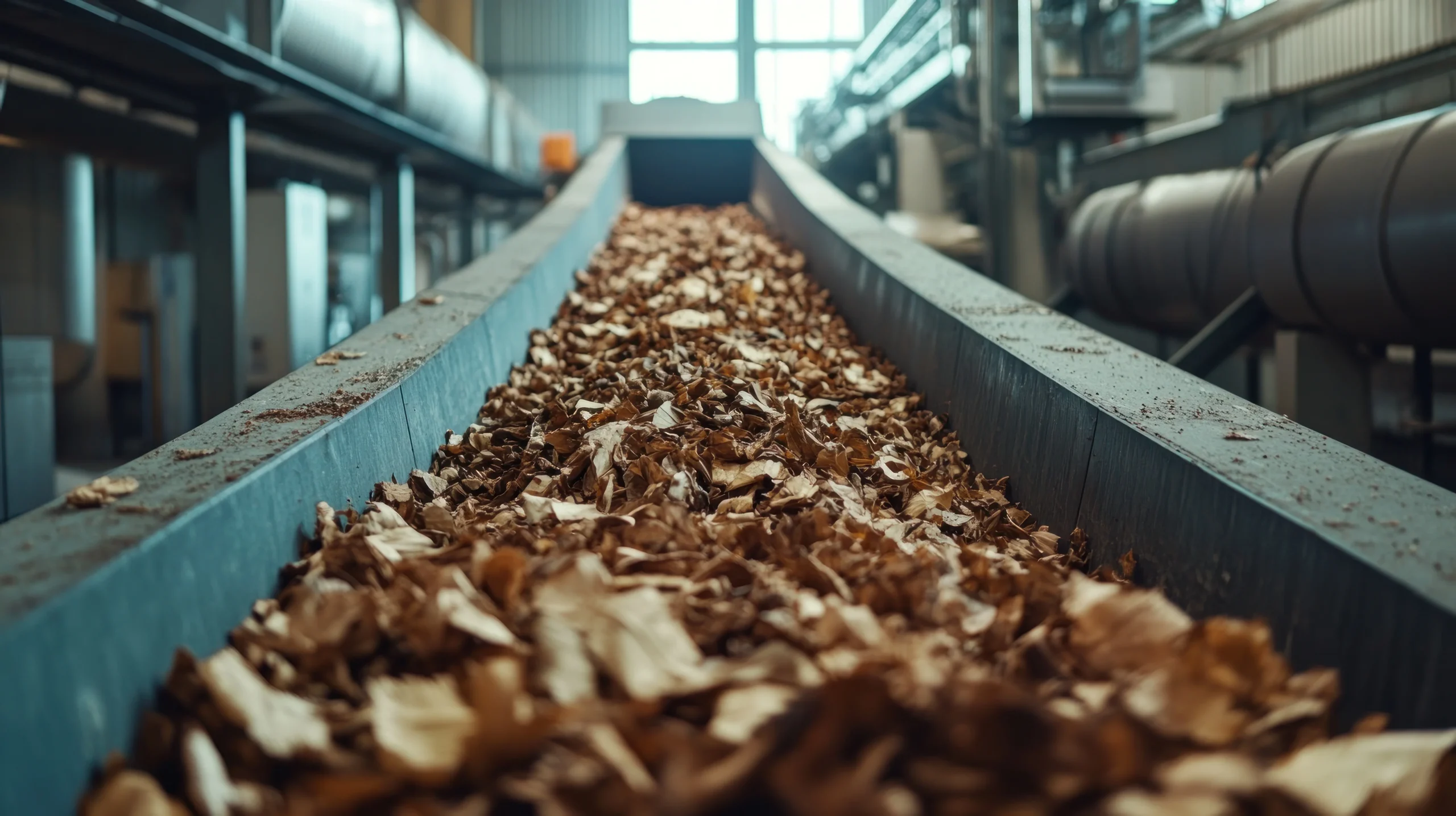
Tobacco processing, cutting and conveying generate lightweight, fibrous organic particles that can easily become airborne. Controlled extraction helps maintain a cleaner production environment.
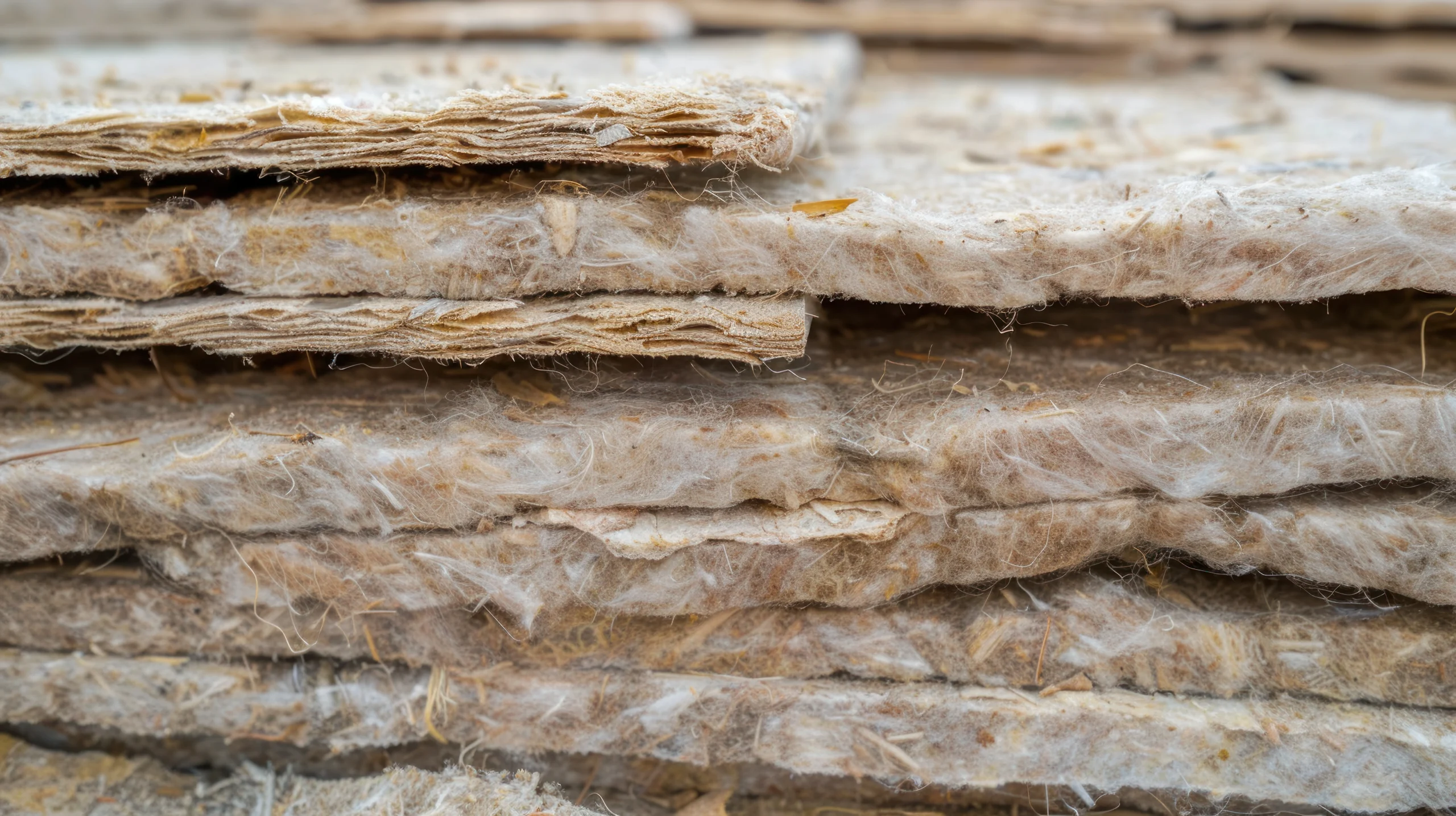
Cutting, shaping and production processes can generate fine dust and lightweight fibrous particles. Effective capture and extraction at the source are important for dust control.
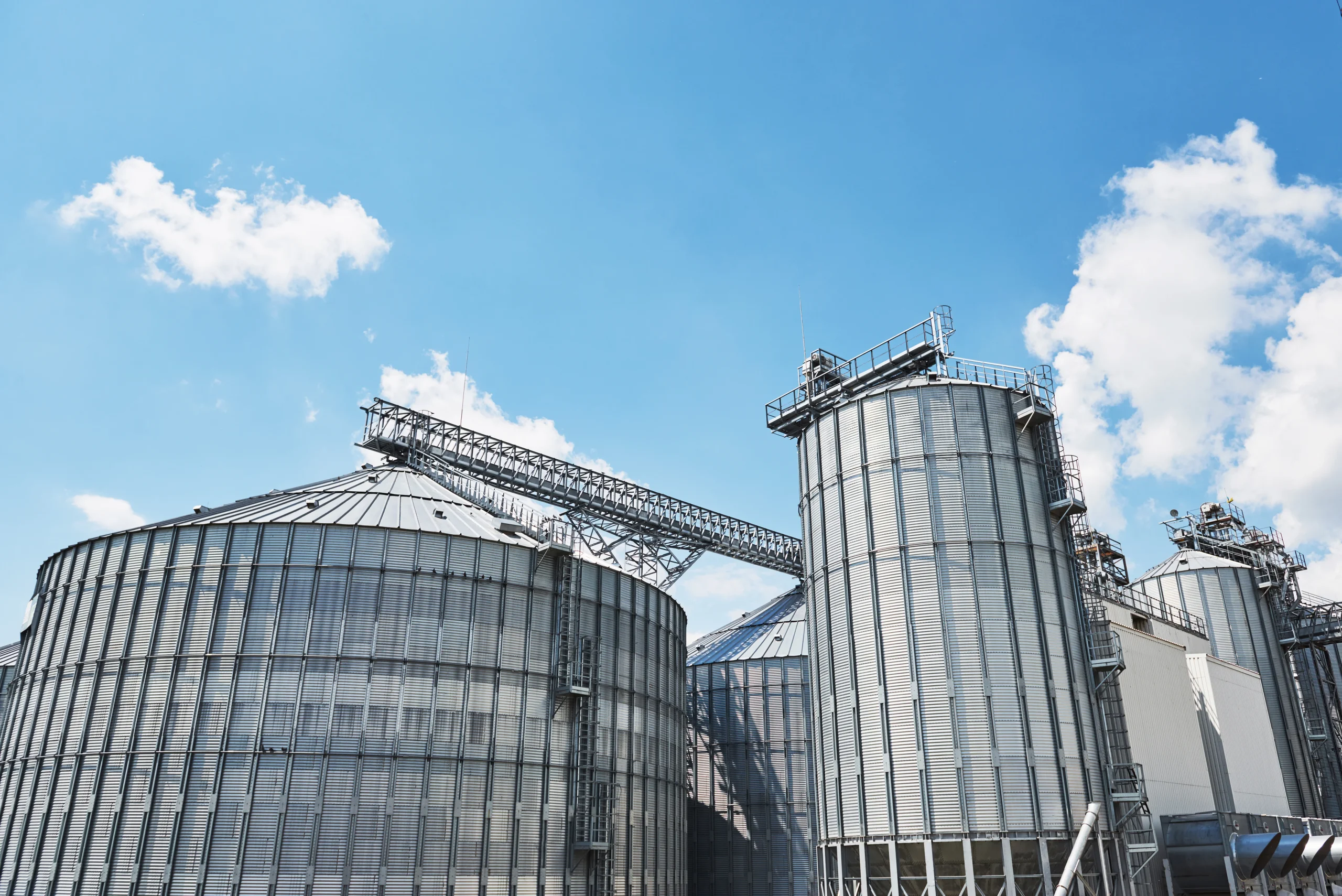
Grinding, screening, mixing and conveying processes generate fine organic dust from grains and feed materials. Effective dust collection helps maintain clean and controlled production conditions.